
Taste the Difference: Why Organic Tomatoes Are More Delicious
Ask me what my favorite thing to grow is, and I’ll give you the same answer I’ve given for decades. Tomatoes. Always tomatoes. So let’s learn how to taste the difference: why organic tomatoes are more delicious. I’ve grown them every season for as long as I can remember—from the early days learning alongside my grandfather on his farm in Saskatchewan to my three raised beds and containers here in Grants Pass, where a row of heirlooms is already on my planting list for this season. I’ve grown conventional tomatoes, and I’ve grown organic tomatoes, and I can tell you from firsthand experience that the difference in flavor is not subtle. It is significant. And it comes down to several things that are worth understanding if you want to grow the best tomatoes of your life.
It Starts With the Soil
Every great tomato starts underground. This is the truth that took me years to fully appreciate and that I now consider the foundation of everything I do in the garden.
Organic growing practices build soil health over time by adding compost, natural amendments, and organic matter rather than pouring synthetic fertilizers onto the ground. The result is soil that is biologically alive — full of beneficial microbes, fungi, and organisms that work together to deliver nutrients to your plant’s roots in the way nature intended.
Synthetic fertilizers give a plant the basic nutrients it needs to grow. But they don’t build the complex soil ecosystem that produces genuinely flavorful fruit. A tomato grown in rich, biologically active organic soil has access to a full spectrum of micronutrients that a plant grown in chemically fertilized ground simply doesn’t. You can taste the difference. I promise you that.
In my raised beds and containers in Grants Pass I add compost every season without fail. My soil gets richer and more productive every year, and my tomatoes get better right along with it.
How You Water Makes a Difference
This one surprises people, but it matters more than most gardeners realize.
Conventional tomato production often involves delivering large amounts of water quickly through irrigation systems—efficient for large-scale farming but not ideal for flavor. Tomatoes that receive too much water too fast become diluted. Watery. Bland.
Organic home gardeners tend to water more thoughtfully—deeply but less frequently, allowing the soil to dry slightly between waterings. This mild, controlled stress actually concentrates the sugars and flavor compounds in the fruit. A tomato that has had to work slightly for its water is a more flavorful tomato.
I water my tomatoes at the base, deeply, two to three times per week during our hot Southern Oregon summers. I let the soil dry out slightly between waterings. The result is tomatoes with concentrated, intense flavor that no grocery store can match.
The Variety Question — Heirlooms Change Everything
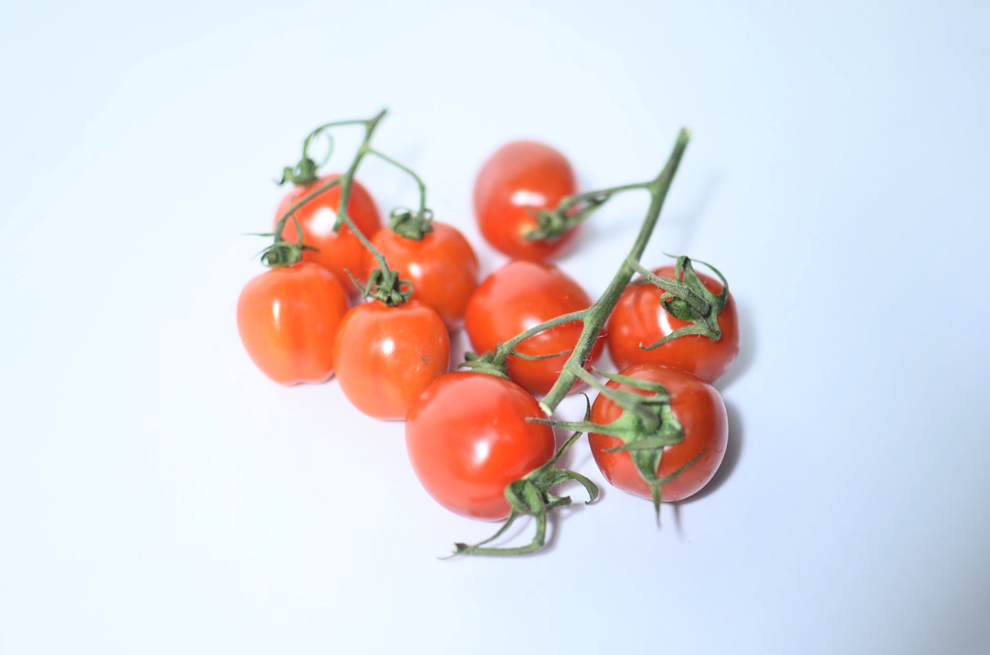
Here is something the organic gardening world understands that conventional agriculture largely ignores. Not all tomatoes are created equal. In fact, most supermarket tomatoes—organic or not—are hybrid varieties bred specifically for shelf life, uniform appearance, and durability during shipping. Flavor is not the priority. It never has been.
Organic home gardeners, on the other hand, tend to grow heirloom varieties—tomatoes bred over generations specifically for taste, aroma, and character. These are the tomatoes that make people stop mid-bite and say something out loud.
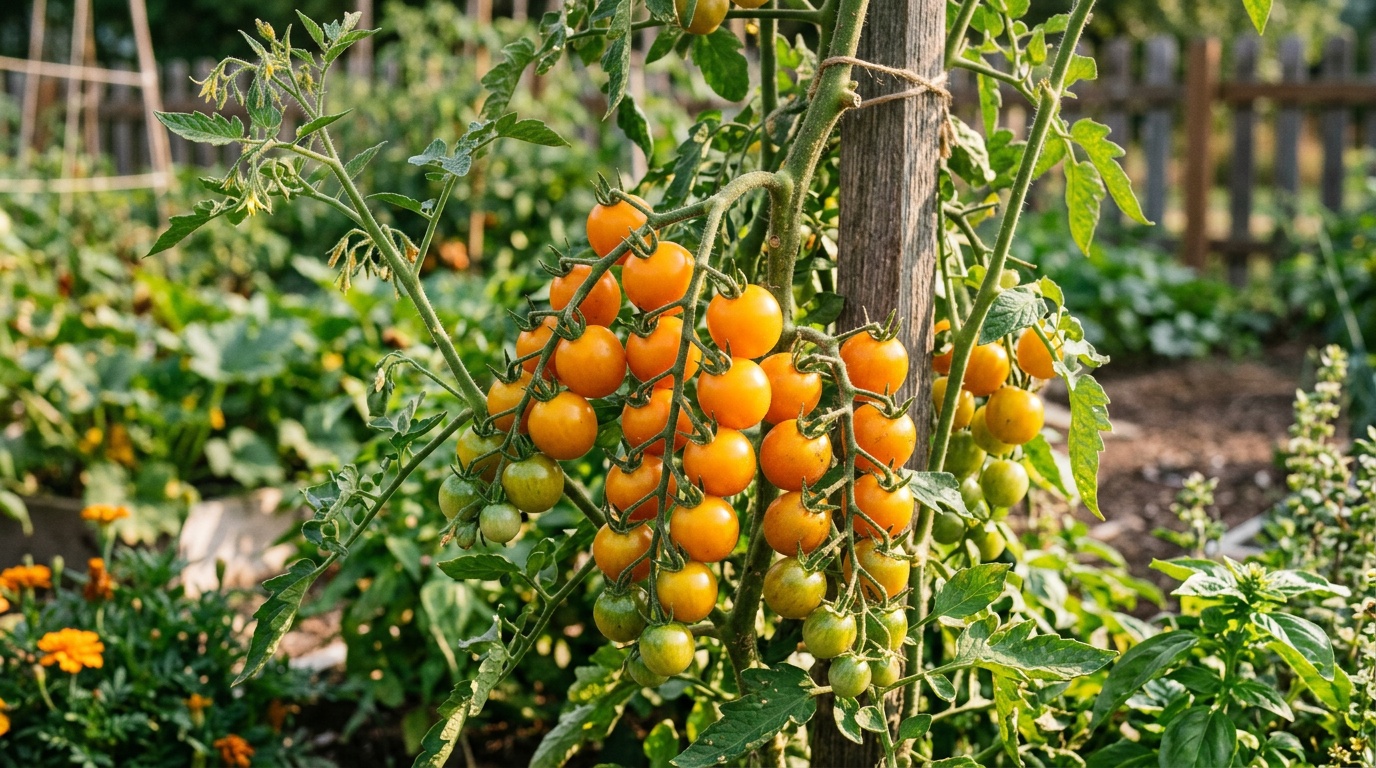
Some of my favorites that I’ve grown over the years include the Brandywine, one of the most complex and deeply flavored tomatoes I’ve ever grown. The Cherokee Purple, a dark, rich, almost smoky variety that is extraordinary sliced with a little salt. The Mortgage Lifter is a large, meaty, incredibly productive heirloom with a sweet, mild flavor that converts people instantly. And the Sungold cherry tomatoes, which I mentioned in my beginner’s guide—orange, intensely sweet, and so good straight off the vine that they rarely make it inside—and my personal favorite, Sweet 100’s.
None of these are available at a grocery store. All of them are available as seeds or transplants from good organic nurseries and seed companies. Territorial Seed Company right here in Oregon carries an excellent selection.
What You Keep Out Matters As Much As What You Put In
Conventional tomatoes are grown with synthetic pesticides. These chemicals control pests effectively, but they don’t disappear cleanly—they can leave residues on the skin of the fruit, and they affect the soil biology in ways that ultimately impact flavor.
Organic tomatoes are grown without them. Instead of reaching for a spray bottle, organic gardeners use companion planting, crop rotation, hand-picking, and natural deterrents to manage pests. It requires more observation and more patience. But the result is a tomato that tastes exactly the way a tomato is supposed to taste — nothing added, nothing altered, nothing lingering on the skin.
I use companion planting around my tomatoes every season. Basil growing nearby improves flavor and deters aphids and flies. Marigolds around the bed perimeter deter hornworms and other pests. The garden works as a system rather than a battlefield, and the tomatoes are better for it.
Vine Ripened Versus Picked Green — the Single Biggest Difference
If I had to point to one factor above all others that explains why homegrown organic tomatoes taste so much better than supermarket tomatoes and why organic tomatoes are more delicious, it would be this.
Supermarket tomatoes — even organic ones — are picked before they are fully ripe. They have to be, to survive transportation and time on a shelf. They ripen after picking in warehouses and during transit, a process that never fully develops the sugars and flavor compounds that vine ripening produces.
A tomato allowed to ripen fully on the vine in warm Southern Oregon sunshine develops natural sugars, complex flavor compounds, and a depth of taste that a picked-green tomato simply cannot replicate. There is no substitute for harvesting a tomato at the exact moment it is perfectly ripe and eating it the same day.
This is the privilege of the home gardener, and it is one of the genuine joys of growing your own food. I’ve been experiencing it for decades, and it never gets old.
The Nutritional Side
Beyond flavor, organic tomatoes have a genuine nutritional edge. Research has consistently shown that organically grown tomatoes contain higher levels of antioxidants — particularly lycopene, which has been linked to reduced risk of heart disease and certain cancers — as well as higher concentrations of vitamin C and other beneficial compounds.
This makes sense when you understand the soil biology behind organic growing. A plant that has to develop its own natural defenses against pests and disease—rather than being protected by chemical sprays—produces more of the very compounds that make it nutritious and flavorful. Stress, in the right amounts, makes a tomato better.
Growing Your Own Is the Gold Standard
Buying organic tomatoes from a store is better than buying conventional ones. Growing your own organic tomatoes is better still and you will soon find out why organic tomatoes are more delicious.
When you grow your own, you control everything—the variety, the soil, the water, the pest management, and most importantly, the harvest timing. You pick at peak ripeness. You eat the same day. You taste the difference immediately.
If you are new to growing tomatoes, I’d encourage you to start with one cherry tomato plant this season—a Sweet 100 if you can find one—and give it the best organic soil you can manage. Water it thoughtfully. Let it ripen fully on the vine. Then eat one and tell me it doesn’t change how you think about tomatoes forever.
I’ll be in my garden in Grants Pass doing exactly the same thing. Same as every year.
— Gerry
