
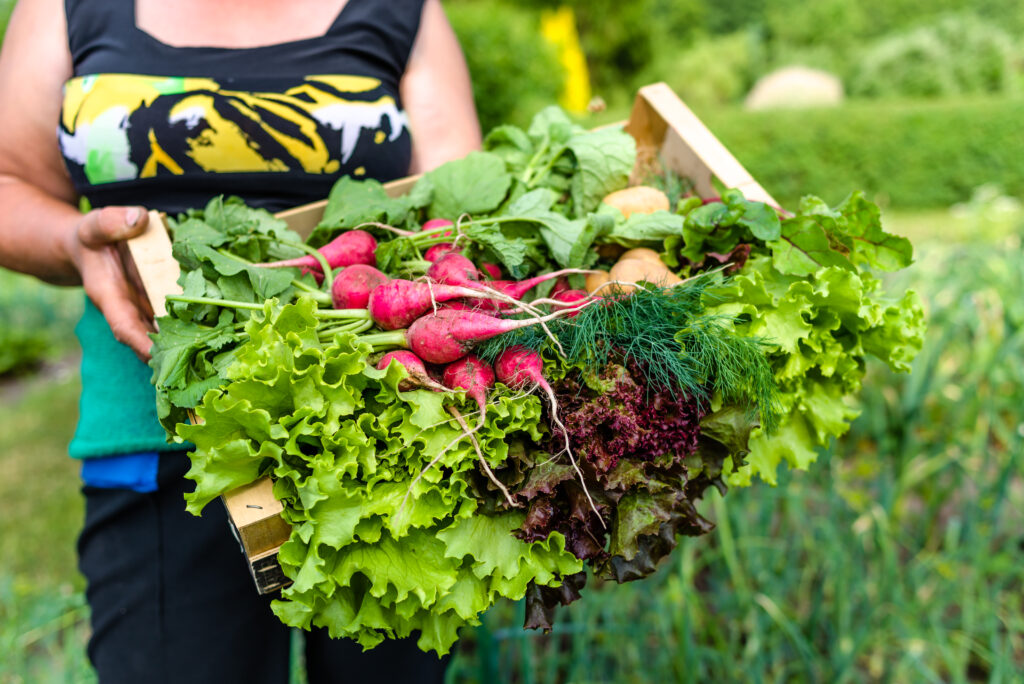
7 Compelling Reasons to Start Organic Gardening Today
I didn’t need a study to convince me to garden organically. Decades of growing my own food told me everything I needed to know. But if you’re on the fence—if you’re wondering whether organic gardening is worth the effort—let me share 7 compelling reasons to start organic gardening today and why I think it’s one of the best decisions you can make for your health, your family, your wallet, and the world outside your back door.
1. You Control What Goes Into Your Food
This is the reason I keep coming back to more than any other. When you grow your own vegetables organically, you know exactly what touches that plant from seed to table. No synthetic pesticides. No chemical fertilizers. No mystery.
I grow tomatoes every season here in Grants Pass, and there is not a single thing on those plants I wouldn’t be comfortable feeding to my grandchildren. That kind of certainty is simply not available at a grocery store, organic label or not. Growing it yourself is the only way to truly know.
Research backs this up too. Studies have found that organically grown produce tends to have higher concentrations of antioxidants and certain nutrients compared to conventionally grown crops—in some cases significantly higher. But honestly, the peace of mind alone is worth it.
2. The Taste Is Simply Better
I have been saying this for years, and anyone who has eaten a tomato straight off the vine knows exactly what I mean. There is no comparison between a homegrown organic tomato and anything you will find in a supermarket.
Part of this comes down to soil health—organic growing practices build rich, biologically active soil that produces more flavorful crops. Part of it comes down to variety—organic gardeners tend to grow heirloom varieties bred for flavor rather than shelf life and shipping durability. And part of it is simply freshness—a vegetable picked and eaten the same day is a completely different experience from one that has been in a truck and on a shelf for a week.
In my garden I grow heirloom tomato varieties that you will never find at a grocery store. The Brandywine. The Cherokee Purple. The Mortgage Lifter. Sweet 100’s (personal favorite) Every one of them is worth growing for the flavor alone.
3. It Saves Real Money
Organic produce from a grocery store is expensive. Organic produce from your own garden costs a fraction of the price once you are up and running. Seeds are inexpensive. Compost can be made for free from kitchen and garden waste. And a well-maintained raised bed produces far more food per square foot than most people expect.
In my raised beds here in Grants Pass I grow more tomatoes, beans, cucumbers, and herbs than I can eat through the summer—and I’m not running a large operation by any measure. The initial investment in good soil and quality seeds pays itself back quickly, and every season that follows gets less expensive as your soil improves and you start saving your own seeds.
The long-term savings of growing your own organic food are genuinely significant. And the satisfaction of eating something that cost you almost nothing to produce — that’s priceless.
4. It’s Extraordinarily Good for Your Mental Health
I don’t think I’ve ever been in a bad mood in the garden. Frustrated occasionally, yes — a hornworm can do that to you. But genuinely unhappy? Never.
There’s real science behind this. Research has consistently shown that time spent gardening reduces stress, improves mood, and promotes a sense of calm and purpose. There’s even evidence that certain beneficial bacteria naturally present in healthy soil trigger the release of serotonin when they enter your bloodstream through your skin. Which means that toiling in the dirt—something I’ve loved my whole life—is literally making you happier at a biological level.
For anyone in retirement navigating the shift from a busy working life to something quieter, gardening gives you structure, purpose, and a reason to be outside every single day. I can’t think of better medicine than that.
5. It’s Genuinely Good for the Environment
Every time you choose organic methods over synthetic chemicals, you are making a small but real contribution to the health of the world around you. Synthetic fertilizers and pesticides don’t stay in your garden — they run off into waterways, accumulate in soil, and affect ecosystems far beyond your backyard.
Organic gardening does the opposite. It builds soil rather than depleting it. It sequesters carbon. It reduces chemical runoff. It supports healthy water quality. And over time, an organic garden becomes increasingly self-sufficient—requiring fewer inputs, less intervention, and less of everything except attention and care.
Here in the Pacific Northwest we live in one of the most ecologically rich regions in the world. Organic gardening is one of the most direct ways I know to honor that.
6. It Supports the Local Ecosystem Right Outside Your Door
A garden managed with synthetic pesticides is a quiet place. The bees come less often. The butterflies are fewer. The birds have less reason to visit. Beneficial insects—the lacewings, the ladybugs, and the ground beetles that eat pest eggs—disappear along with the pests you were targeting.
An organic garden is the opposite. It hums with life. Pollinators visit constantly. Beneficial insects patrol the leaves. Birds work the soil edges. The whole system becomes more alive and more balanced every season.
In my garden I plant flowers alongside vegetables specifically to attract pollinators and beneficial insects. Marigolds, nasturtiums, and borage are all growing near my raised beds this season. The results speak for themselves—healthier plants, fewer pest problems, and a garden that is genuinely beautiful as well as productive.
The Pacific Northwest is home to an extraordinary range of native pollinators and beneficial wildlife. Organic gardening lets you work with that richness rather than against it.
7. It Connects You to Something Larger Than Yourself
This one is harder to quantify, but I think it might be the most important reason of all.
When you grow your own food organically, you are participating in something ancient and meaningful. You are doing what my grandfather did on his farm in Saskatchewan. What his parents did before him. What generations of people have done in every culture across human history — tending the soil, nurturing life, and feeding the people they love.
There is a satisfaction in harvesting food you grew yourself that nothing else quite replicates. Not the convenience of a grocery store delivery. Not a restaurant meal. Nothing. That feeling — of holding something in your hands that you coaxed from a seed in the ground — is one of the genuinely good things in life.
If you haven’t experienced it yet, I’d encourage you to start this season. Begin small. One raised bed. A few containers on a sunny patio. A pot of tomatoes by the back door. Wherever you are in the Pacific Northwest, the soil is waiting and the rewards are real.
— Gerry
